By Brad Kappel Team
Queen Anne's County sits at the heart of the Chesapeake Bay region, where the water isn't just a backdrop — it's a way of life. From the sweeping views along the Chester River to the quiet coves tucked off the Bay itself, buying a waterfront home in Queen Anne's County means stepping into one of Maryland's most distinctive and sought-after real estate markets.
It also means navigating a set of considerations that simply don't apply to a standard home purchase. We've guided buyers through this process for years, and we want to make sure you go in with a complete picture.
Key Takeaways
-
Waterfront properties in Queen Anne's County come with unique financial, legal, and environmental considerations.
-
Understanding water access, riparian rights, and shoreline conditions is essential before making an offer.
-
Insurance, flood zones, and maintenance costs affect the true cost of waterfront ownership.
-
Working with agents who specialize in this market is one of the most important decisions you'll make.
Understanding Water Access and Riparian Rights
Not all waterfront is created equal. In Queen Anne's County, the type of water access a property offers — and what you're legally permitted to do with it — varies significantly from one parcel to the next. Riparian rights, which govern a property owner's use of adjacent water, are a foundational piece of any waterfront transaction here.
What to Evaluate Before You Make an Offer
-
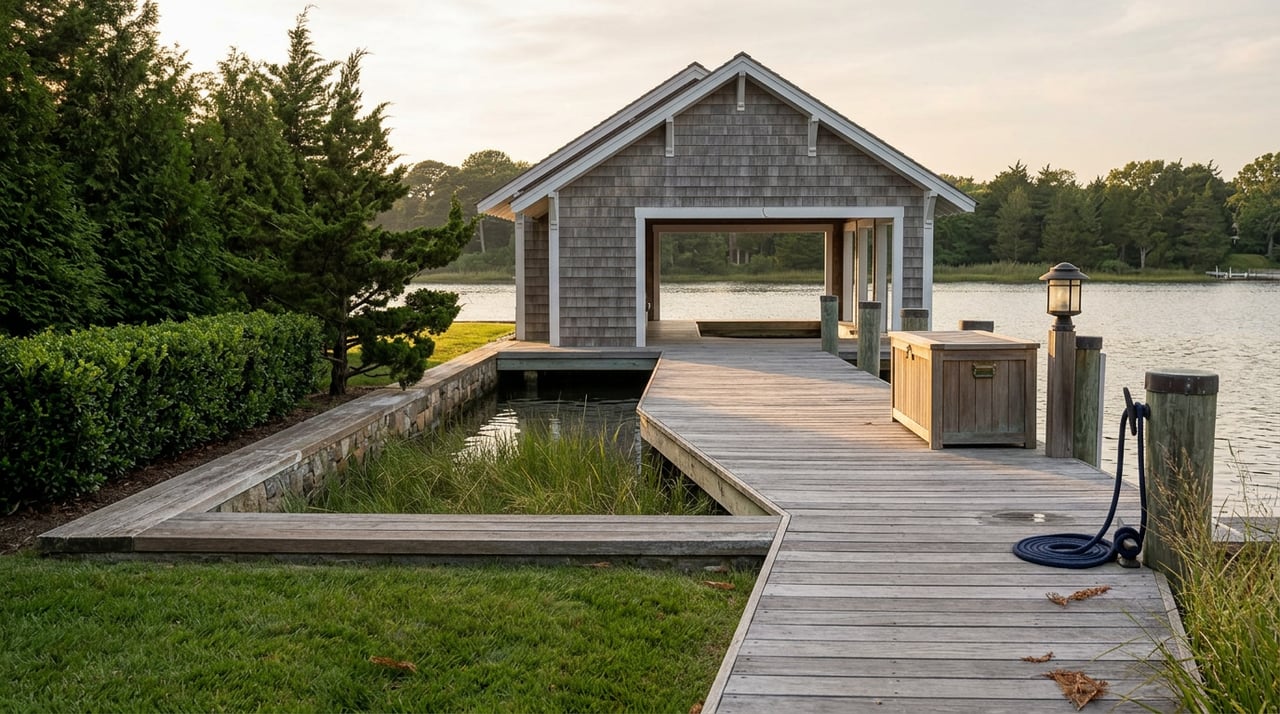
Whether the property includes private pier or dock rights, and the condition and permit status of any existing structures
-
Water depth at the shoreline and at any dock, which determines what size vessel can be accommodated
-
Navigability of the adjacent waterway and whether it provides direct Bay access or requires traveling through additional channels
-
Riparian rights specific to the parcel and any restrictions tied to the property's deed or local ordinances
-
HOA or community rules governing waterfront use, shared access points, and slip availability
Getting clear answers to these questions early protects you from surprises that can be costly and difficult to resolve after closing.
Flood Zones, Insurance, and the Real Cost of Waterfront
The purchase price of a waterfront home is the starting point, not the full story. Flood zone designation, insurance requirements, and ongoing maintenance costs all factor into what you'll actually spend to own and enjoy a property on the water in Queen Anne's County.
The Costs Buyers Need to Account For
-
FEMA flood zone classification, which determines whether flood insurance is required and at what premium
-
Elevation certificate status, which can significantly affect your insurance rate and is worth requesting upfront
-
Annual maintenance for piers, bulkheads, and riprap — waterfront infrastructure requires consistent upkeep to remain functional and retain value
-
Erosion and shoreline stabilization, which is an ongoing concern on many Chesapeake Bay properties
-
Wind and storm coverage, which is often separate from standard homeowner's insurance in waterfront markets
Understanding the full cost picture before you're under contract puts you in a much stronger negotiating position.
Environmental Regulations and Permitting
The Chesapeake Bay is one of the most protected bodies of water in the country, and that environmental stewardship comes with real implications for property owners in Queen Anne's County. The Critical Area Law, established to protect the Bay's shoreline and water quality, governs what can be built, expanded, or modified within 1,000 feet of tidal water.
What Buyers Should Know About Regulations in This Market
-
The Critical Area designation restricts impervious surfaces, vegetation removal, and certain types of development near the shoreline
-
Permits are required for new piers, dock expansions, bulkhead replacement, and many types of shoreline work
-
Wetlands on or adjacent to a property may be subject to state and federal protections that limit use and development
-
Any unpermitted structures — including older docks or outbuildings — can become a buyer's liability at closing
-
Tidal wetland boundaries should be clearly identified and reviewed before finalizing any purchase
We always recommend buyers work with a real estate attorney familiar with Maryland's Critical Area regulations before proceeding on any waterfront transaction.
What to Look for During the Inspection Process
A standard home inspection is a starting point for waterfront properties — it is not sufficient on its own. The water-facing elements of the home and its infrastructure require specialized attention that goes beyond what a general inspector evaluates.
Inspections and Assessments Worth Investing In
-
A marine or pier inspection to assess the structural integrity of docks, pilings, and lifts
-
A separate septic evaluation, as many waterfront properties in Queen Anne's County rely on older systems that may be nearing the end of their useful life
-
A well water test if the property is not on public water, particularly for properties near agricultural land
-
An assessment of the bulkhead or riprap condition, as replacement costs can run into the tens of thousands
-
A review of any history of flooding, water intrusion, or storm damage disclosed by the seller or visible in the property's records
Investing in thorough due diligence at this stage is far less expensive than discovering problems after you own the home.
FAQs
Can I build or expand a dock on a waterfront property in Queen Anne's County?
In many cases, yes — but it requires permits from the Maryland Department of the Environment and potentially the Army Corps of Engineers. The Critical Area designation adds another layer of review. We strongly recommend confirming what is and isn't permitted on a specific parcel before purchasing with the intention to build or expand water infrastructure.
How do I know if a waterfront property is in a flood zone?
FEMA flood maps are publicly available and a good starting point, but an elevation certificate provides the most accurate picture of a specific property's flood risk and insurance requirements. We always recommend requesting this document as part of your due diligence before making an offer.
Is waterfront property in Queen Anne's County a good investment?
Waterfront inventory in Queen Anne's County is inherently limited, which supports long-term value. Properties with deep water access, well-maintained infrastructure, and strong Bay or river frontage tend to hold value well and attract consistent buyer demand. Like any investment, the specifics of the property matter enormously — and that's where local expertise makes a real difference.
Buy on the Water with the Brad Kappel Team
The Brad Kappel Team has redefined what luxury real estate service looks like across the Chesapeake Bay region. With over 18 years of experience and more than $1.2 billion in career sales, Brad Kappel is widely recognized as the face of the Annapolis, Anne Arundel County, and Maryland Eastern Shore luxury market — ranked the number one real estate agent in Maryland for six consecutive years.
Our team brings unparalleled knowledge of the waterfront lifestyle and the Queen Anne's County market to every transaction. We work with buyers and sellers at all price points, and we bring the same white-glove standard of service to every relationship we build. Trust and accountability aren't talking points for us — they're how we've built our business.
Visit our website today to connect with our team and start your waterfront search.
Our team brings unparalleled knowledge of the waterfront lifestyle and the Queen Anne's County market to every transaction. We work with buyers and sellers at all price points, and we bring the same white-glove standard of service to every relationship we build. Trust and accountability aren't talking points for us — they're how we've built our business.
Visit our website today to connect with our team and start your waterfront search.