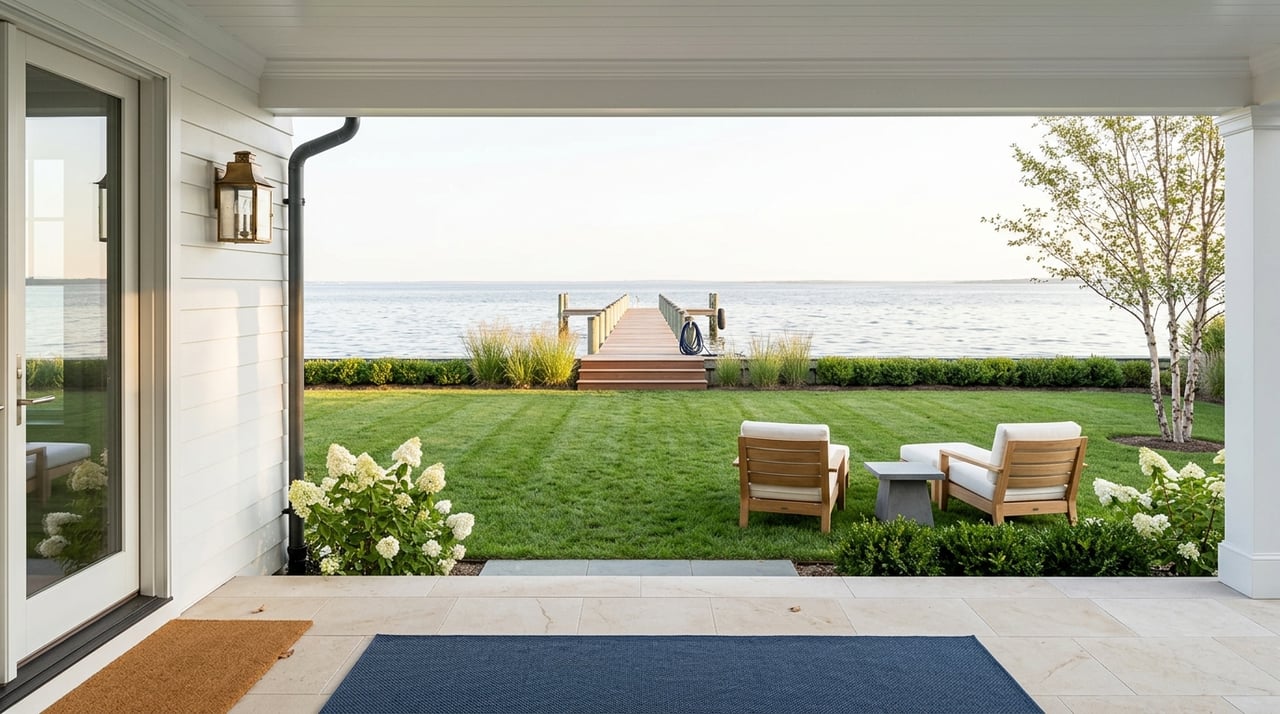
Wondering whether your Annapolis waterfront home is ready to hit the market? On the surface, it may seem like a standard pre-listing checklist with paint touch-ups, decluttering, and great photos. But waterfront homes come with another layer of details, and getting those right can protect your timeline, support your pricing, and help buyers feel confident from day one. Let’s dive in.
Why preparation matters in Annapolis
Annapolis remains an active market. As of April 2026, Realtor.com reported 420 homes for sale in Annapolis, a median listing price of $649,000, a median sold price of $647,500, 26 median days on market, and a 100% sale-to-list ratio, while labeling the city a seller’s market.
Even in a strong market, waterfront buyers tend to look closely at condition, records, and site constraints. A polished launch is not just about visual appeal. It is also about making sure your home’s shoreline, dock, floodplain status, systems, and paperwork are ready for scrutiny.
Start with a waterfront condition review
Before you think about photography or staging, review your home the way a buyer will. Maryland’s residential property disclosure form is a useful starting point because it prompts you to look at the exact categories buyers often ask about.
That includes the foundation, basement moisture, roof leaks, structural systems, plumbing, heating and cooling, electrical, septic, water supply, exterior drainage, permits for improvements, flood zone status, easements, zoning, wetlands, Chesapeake Bay Critical Area status, Historic District status, HOA restrictions, and other material defects. For many waterfront sellers, this is the smartest first checklist because it helps you move from memory to documentation.
Use the disclosure form as a roadmap
Maryland sellers of applicable residential property must provide either a disclosure or disclaimer statement. The state form also makes clear that sellers must disclose known latent defects even in an as-is sale.
That matters for waterfront homes because the list of possible issues is longer than usual. If you know about recurring moisture, shoreline erosion, an aging bulkhead, dock repairs, or permit history for improvements, now is the time to gather records and clarify what you know.
Check the high-attention systems first
If you want to prioritize, focus first on items that can delay a sale or raise immediate buyer concern:
- Roof leaks or signs of water intrusion
- Basement or crawl space moisture
- Exterior drainage issues
- Electrical, plumbing, and HVAC performance
- Septic system condition, if applicable
- Water supply issues, if applicable
- Known structural concerns
- Permit history for major improvements
A clean, organized review upfront can reduce surprises later. It also makes it easier to answer buyer questions with confidence.
Confirm floodplain status early
Flood risk is one of the first issues many waterfront buyers will ask about. Annapolis notes that FEMA has identified special flood hazard areas within the city, and Maryland states that flood insurance is generally not included in standard homeowners insurance policies.
Separate flood coverage may be available, and federally backed mortgages in special flood hazard zones can require it. Maryland also notes that flood insurance is available in most communities even outside special hazard zones, which is another reason to confirm status early rather than guess.
Why this affects your listing strategy
Floodplain status can shape buyer expectations, insurance conversations, and documentation needs. If your property is in or near a special flood hazard area, it helps to have clear information ready before listing.
If any recent or planned improvements are involved, this becomes even more important. Annapolis floodplain guidance says the lowest floor of new work in the floodplain must not be below elevation 8 feet, construction materials must be flood resistant, and new basements are prohibited in the floodplain.
Review your dock, shoreline, and permit file
One of the biggest mistakes waterfront sellers make is assuming every visible improvement is simple and self-explanatory. In Annapolis, marine work often involves multiple layers of review.
City guidance says any work below the mean high tide line needs a building permit. Dredging or filling needs a grading permit, electrical or water lines need trade permits, and marine projects require a public hearing before the Board of Port Wardens.
Timing matters for marine projects
If you are thinking about fixing or changing something before listing, do not assume it can be done quickly. Annapolis says the full marine project process can take up to 3 months, and applications must reach Planning and Zoning at least 6 weeks before the hearing.
State and federal approvals may also be required. In many cases, the better pre-listing move is to organize records, present the property clearly as it exists today, and avoid starting last-minute work that could complicate your timeline.
Gather records before buyers ask
For a waterfront home, your file should ideally include any available documentation related to:
- Dock or pier improvements
- Shoreline stabilization work
- Dredging or filling history
- Electrical or water service to marine features
- Grading permits
- Historic approvals, if applicable
- Any recent repair invoices or contractor notes
This does not mean every property needs a perfect archive. But the more documented answers you can provide, the smoother your listing process is likely to be.
Evaluate shoreline condition honestly
Shoreline condition affects both value and buyer comfort. Anne Arundel County recommends watching for recession over the last two years, disappearing marsh, trees falling into the water, a beach that is submerged at high tide, and erosion controls already installed by neighbors.
The county also suggests using historic maps or photos to understand longer-term erosion patterns. If those warning signs are present, professional input may be worth considering before you list.
Know when to pause on improvement plans
Outside the city and in many county locations, shoreline stabilization work can still require permits. Anne Arundel County identifies residential bulkheads and rip-rap as permit items, while Maryland guidance says living shorelines are generally the preferred method of protection unless a waiver is obtained.
Work in tidal wetlands or tidewater also requires an MDE permit, and other approvals may be needed. If a shoreline project is only at the idea stage, it is often wiser to avoid making promises in marketing and instead present buyers with accurate current information.
Be careful in the Critical Area
Many Annapolis waterfront homes are affected by Chesapeake Bay Critical Area rules. The Critical Area extends 1,000 feet inland from tidal water or tidal wetlands, and the 100-foot buffer nearest the shoreline has stricter standards.
Anne Arundel County says disturbance in that buffer needs approval, and disturbance includes cutting or removing vegetation, grading, and filling. That means even well-intended cleanup can create issues if you act without confirming what is allowed.
Avoid last-minute landscaping mistakes
If you are getting your home photo-ready, keep the approach simple. Clean up existing outdoor spaces, remove obvious clutter, and maintain what is already improved.
Be cautious about clearing vegetation near the shoreline. The county says tree removal or clearing can require a county-approved vegetation management plan, replacement planting must use native species, and even dead or damaged trees in the Critical Area may need approval before removal.
Prep septic systems and utility details
If your waterfront home uses septic, inspect and maintain it early. Anne Arundel County advises regular septic maintenance and identifies warning signs such as sewage backups, wet drain fields, bright green grass over the drain field, sewage odors, and unusual aquatic plant growth along one shoreline segment.
The county also notes that bacteria or nitrate in nearby well water can be a warning sign. If your home has septic, buyers will usually appreciate clear maintenance history and evidence that the system has been cared for.
Why this step builds confidence
Waterfront buyers are often thinking beyond interiors. They want to understand how the property functions over time, especially where land, water, and utility systems meet.
A proactive septic review can help you address issues before they surface in negotiations. Anne Arundel County also notes that the Health Department has grants for some septic upgrades, which may be relevant if improvements are needed.
Focus staging on clean, simple outdoor appeal
Outdoor presentation matters enormously for waterfront listings, but the goal is not to overwork the property. The safest strategy is usually to clean and simplify patios, porches, lawns, paths, and waterfront seating areas that are already in place.
This creates a polished look for photography and showings without introducing permit risk. It also keeps attention on the lifestyle your property already offers.
Smart waterfront curb appeal
A few practical steps can improve presentation before launch:
- Pressure wash hardscapes where appropriate
- Clean outdoor furniture and cushions
- Neatly store hoses, dock gear, and loose equipment
- Trim and maintain non-restricted landscaped areas
- Clear visual clutter from the shoreline view corridor
- Freshen entry areas and waterside entertaining spaces
Anne Arundel County also encourages waterfront owners to limit pesticides and fertilizers near the water, manage runoff before it leaves the property, and protect or restore the waterfront buffer. If lawn reaches the shoreline, the county says a simple first step is to stop mowing at the water’s edge so native plants can reappear.
Build a documentation packet
One of the best ways to prepare your Annapolis waterfront home to list is to create a clean packet of facts before your home goes live. Maryland’s disclosure form asks about permits, flood zone status, conservation area, wetland area, Chesapeake Bay Critical Area, and Designated Historic District status.
That means your listing file should be built around documented answers rather than guesswork. Buyers notice when a seller is organized, and that can create confidence early in the process.
Include what you can verify
Your pre-list package may include:
- Disclosure or disclaimer materials
- Permit records you have on hand
- Survey or site-related documents, if available
- Flood insurance information, if applicable
- Septic maintenance or inspection records, if applicable
- Receipts or notes for recent waterfront-related repairs
- Historic approvals, if applicable
- Notes on shoreline observations or past work
Not every seller will have every item. The goal is simple: be prepared, accurate, and transparent about what you know.
Work with a team that knows waterfront nuance
Selling an Annapolis waterfront home is rarely a plug-and-play process. Pricing, presentation, dock value, shoreline condition, permitting history, and documentation all affect how buyers view the opportunity.
That is why local waterfront experience matters. You want a launch plan that highlights the lifestyle and architecture of your property while also accounting for the practical questions serious buyers will ask.
At the Brad Kappel Team, that local perspective is paired with tailored marketing, staging guidance, in-house creative production, and hands-on support built for waterfront and luxury homes. If you are thinking about listing, the right preparation can make your next move more strategic and less stressful. To start the conversation, connect with the Brad Kappel Team.
FAQs
What should Annapolis waterfront sellers inspect before listing?
- Start with Maryland’s disclosure categories, including roof leaks, moisture issues, structural systems, plumbing, HVAC, electrical, septic, drainage, permits, flood zone status, wetlands, Critical Area status, Historic District status, and other known material defects.
How do flood zones affect an Annapolis waterfront home sale?
- Floodplain status can affect buyer questions, insurance planning, and mortgage requirements, so it is smart to confirm early whether the property is in a special flood hazard area and gather any related documents before listing.
Do dock or shoreline improvements in Annapolis require permits?
- Often, yes. In Annapolis, work below the mean high tide line, dredging, filling, and some utility work can require permits and marine projects require review by the Board of Port Wardens.
What is the Chesapeake Bay Critical Area for Annapolis homes?
- The Critical Area extends 1,000 feet inland from tidal water or tidal wetlands, and the 100-foot buffer nearest the shoreline has stricter rules for disturbance such as vegetation removal, grading, and filling.
Should sellers make shoreline changes before listing a waterfront home in Anne Arundel County?
- Usually, only after confirming what is permitted. Last-minute shoreline work can trigger approvals and delay your timeline, so many sellers are better served by organizing records and presenting the property clearly as it exists.
How should you stage an Annapolis waterfront property for photos and showings?
- Focus on cleaning and simplifying the outdoor areas that are already improved, such as patios, porches, seating areas, and view lines, while avoiding unpermitted changes near the shoreline or within the buffer.