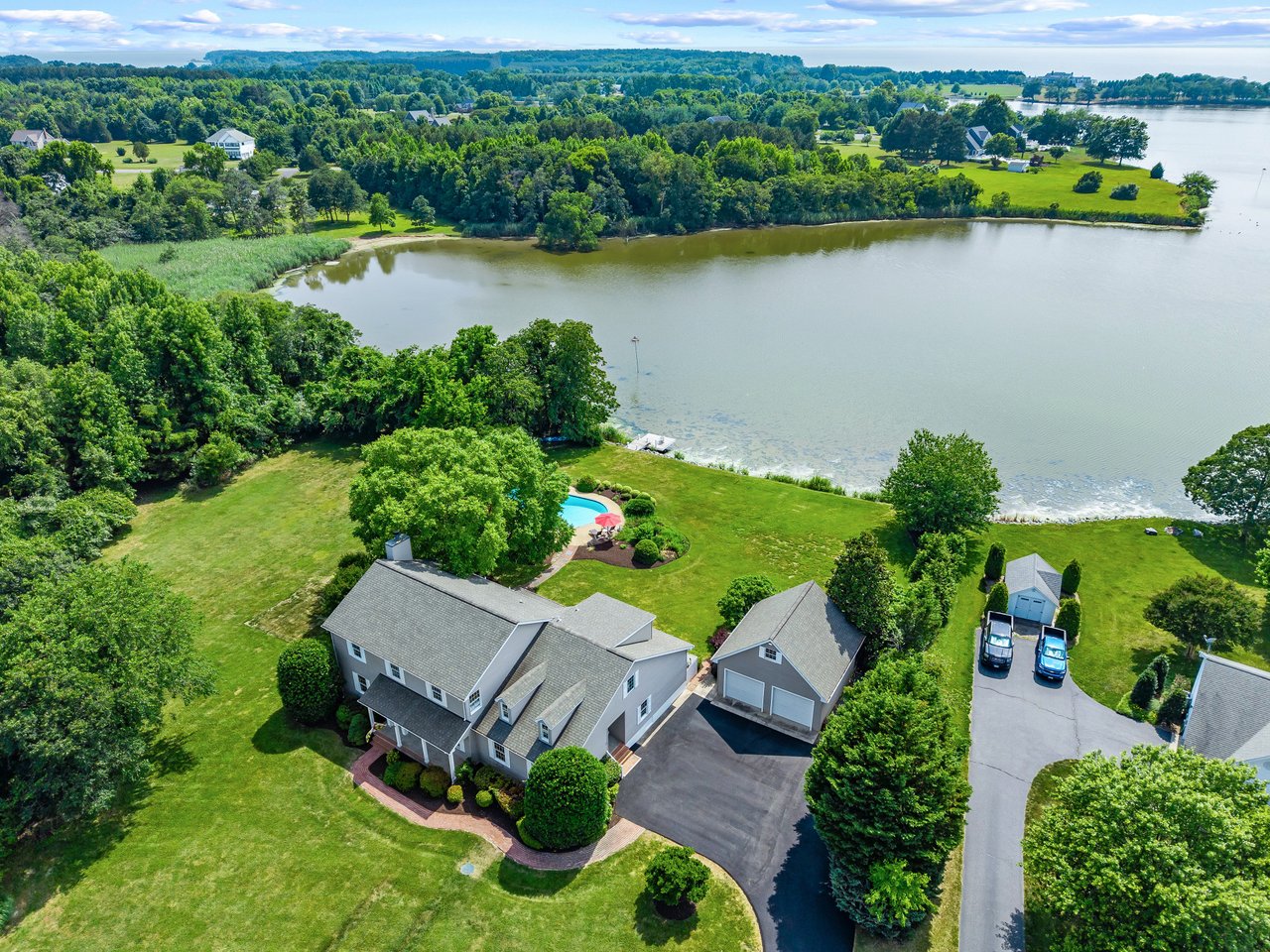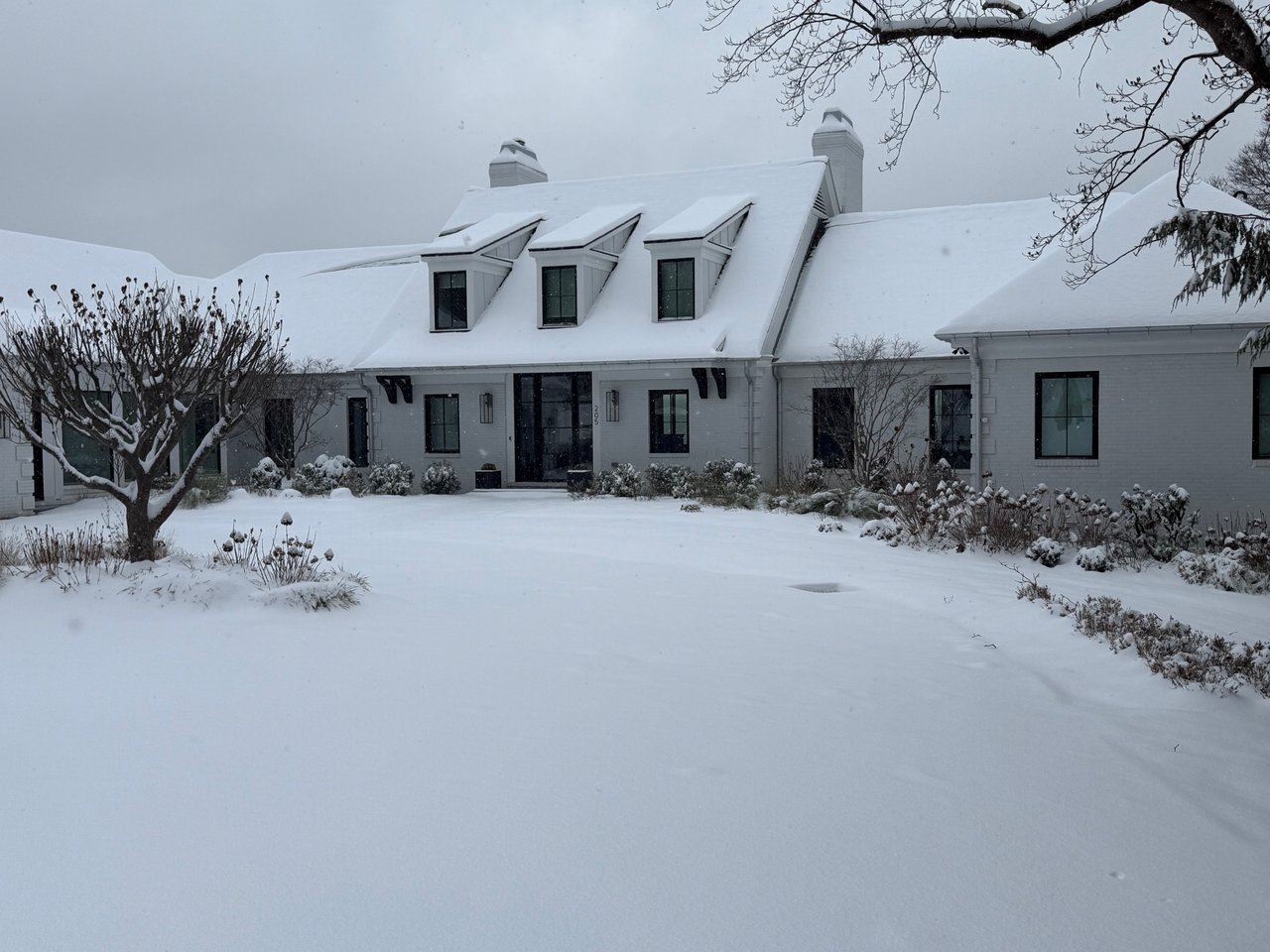
Five Smart Moves to Protect Your Waterfront Investment
Storms behave differently on the water.
Wind moves faster. Tides rise higher. Cold settles in deeper.
For waterfront homeowners along the Chesapeake Bay, preparation is not optional. It is a direct investment in protecting property value, infrastructure, and long-term livability.
Ahead of winter storms bringing heavy rain, high winds, and subfreezing temperatures, these are the priorities waterfront owners should address.
Start at the Dock
Docks, lifts, and moored vessels take the first hit when tidal surge meets freezing temperatures.
- Loosen dock lines to allow for changing water levels. Tight lines fail under surge pressure.
- Double spring lines and add chafe protection where lines rub.
- Adjust or fully lift boat lifts according to manufacturer guidance. Ice and surge are a destructive combination.
- Remove kayaks, paddleboards, and loose dock furniture. If it floats, it will move.
Shut Down Exterior Water Sources
Wind off the Bay accelerates freezing and finds exposed plumbing quickly.
- Shut off and drain exterior spigots.
- Insulate hose bibs and exposed lines.
- Winterize outdoor showers, irrigation systems, and pool autofill lines.
Freeze damage often appears after the storm passes, when repairs become more disruptive and costly.
Clear Drainage and Manage Runoff
Rain followed by freezing temperatures creates pressure where homes are most vulnerable.
- Clear gutters, scuppers, and trench drains.
- Confirm downspouts move water away from the foundation.
- Inspect stairwells, window wells, and lower-level entry points near the waterfront.
Standing water turns to ice. Ice creates force. Both threaten foundations and lower-level spaces.
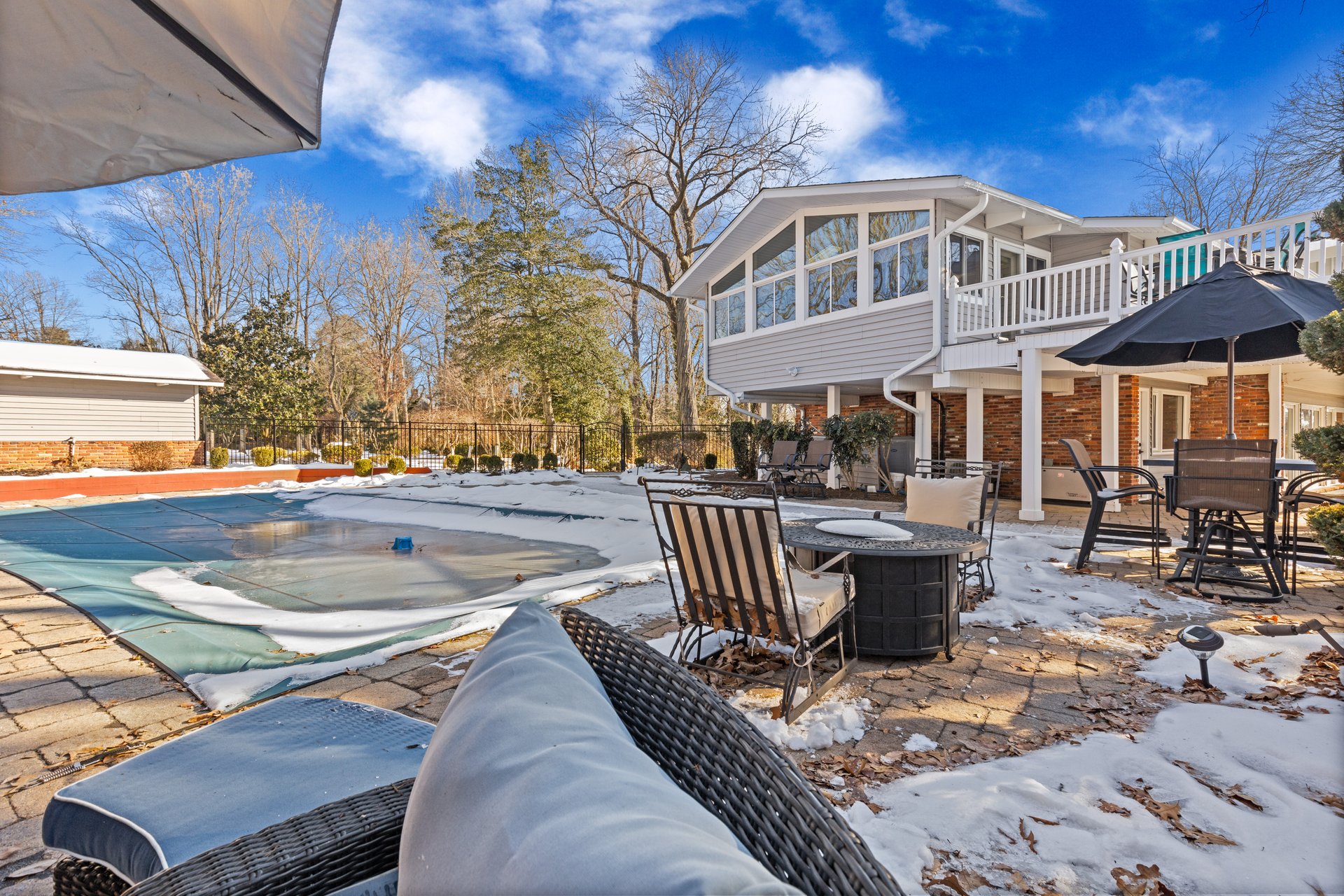
If your home has a pool, be sure to clear standing water so you don't damage your pool scape, hard scape, or pool cover.
Secure Waterfront-Facing Exteriors
Bay winds expose weak points fast.
- Close and secure storm shutters if your home has them.
- Anchor or store outdoor furniture, planters, grills, and fire features.
- Inspect railings, pergolas, fencing, and exterior hardware for looseness.
Anything unsecured becomes a liability in high wind conditions.
Plan for Power Loss and Limited Access
Waterfront communities often lose power first and regain it last.
- Test generators and confirm fuel supply.
- Check sump pumps and backup power systems.
- Move vehicles out of low-lying areas prone to tidal flooding.
Treat docks and exterior steps to reduce ice hazards before temperatures drop.
Why Prepping Your Home Before a Winter Storm Matters
Waterfront homes are exceptional because of their proximity to the Chesapeake Bay, its rivers and its tributaries. That same proximity demands proactive care.
A few focused steps taken before a storm can prevent significant damage, protect long-term value, and reduce costly disruptions. When professional support is needed, our trusted local contractors page connects you with vetted experts for pool maintenance, water and mold remediation, snow removal, and ongoing waterfront property care.
Work With Experts Who Know Waterfront Property
At the Brad Kappel Team, waterfront real estate is not a niche. It is our expertise. We live here. We work here. And we guide homeowners through every season of ownership on the Chesapeake Bay.
If you have questions about protecting your waterfront property, evaluating storm impact, or planning for long-term value, connect with Maryland’s #1 Waterfront Real Estate Team today.