If you picture waterfront living as a private dock and a quiet shoreline, Downtown Annapolis and Eastport may surprise you. Here, living on the water is less about isolation and more about being woven into the harbor itself, with boats, brick streets, walkable blocks, and daily life shaped by the Chesapeake. If you are wondering what it is really like to live in this part of Annapolis, this guide will help you understand the lifestyle, the benefits, and the trade-offs. Let’s dive in.
Why waterfront living here feels different
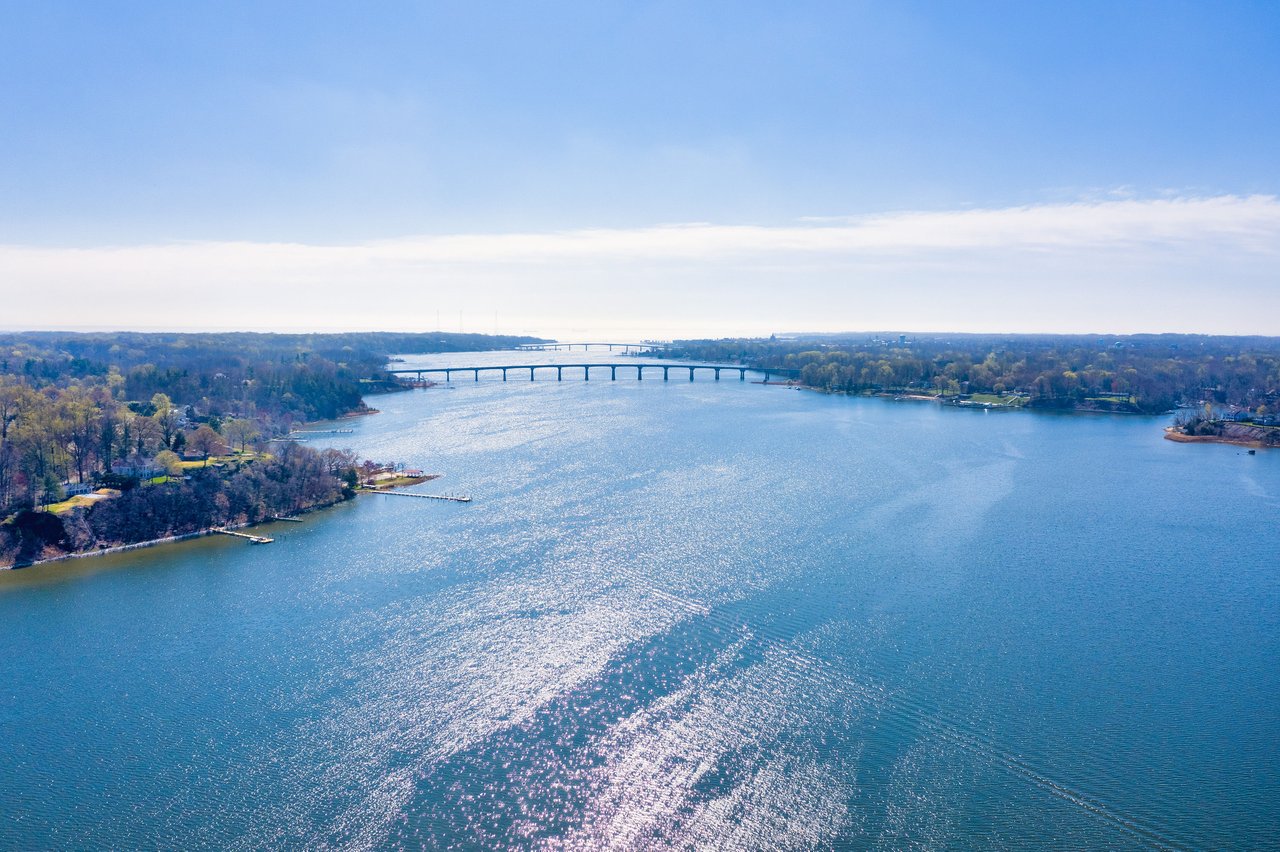
Downtown Annapolis and Eastport offer two closely connected versions of waterfront living in 21401. Downtown centers on City Dock, Main Street, and the historic harbor core, while Eastport sits just across Spa Creek, linked by the Spa Creek Bridge and water taxi.
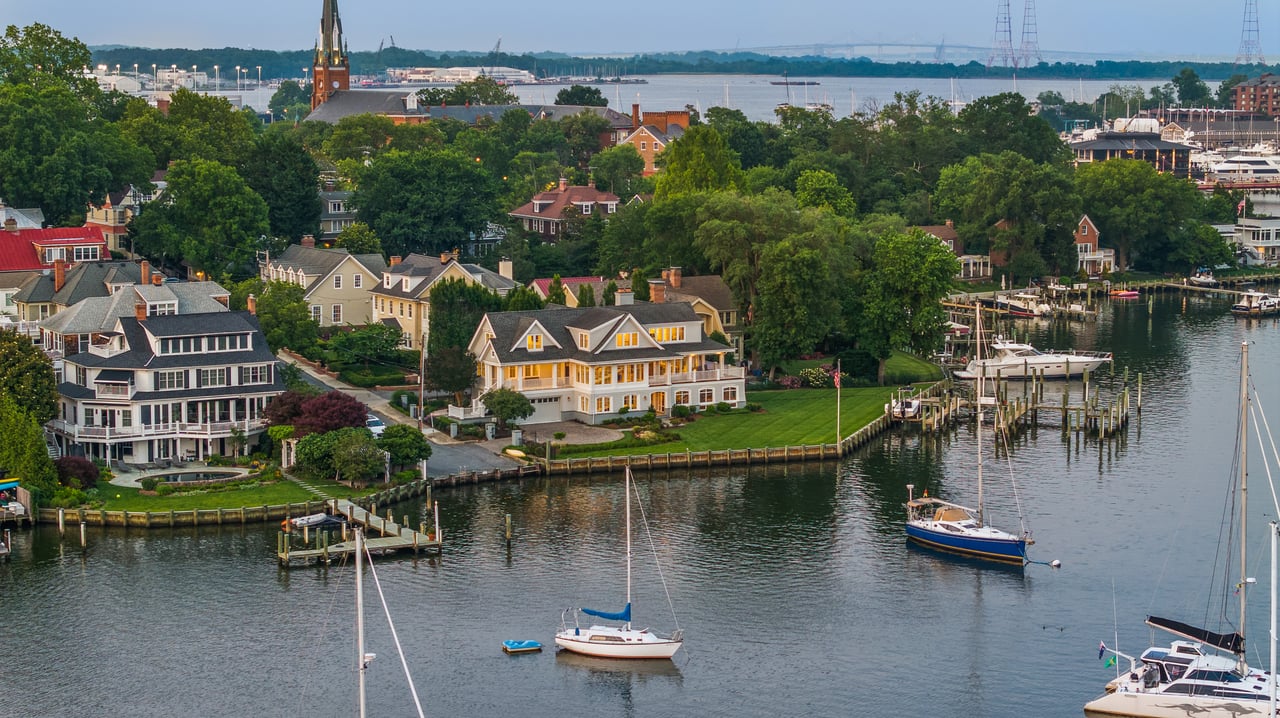
What makes this area stand out is its compact, lived-in feel. Instead of a typical waterfront subdivision, you get a dense historic setting with homes, harbor activity, marine businesses, shops, dining, and civic spaces all layered together in a relatively small footprint.
Downtown Annapolis: historic harbor living
Downtown Annapolis is a one-square-mile National Historic Landmark, and that shapes almost everything about the experience. The area blends historic homes, brick streets, boutiques, sidewalk cafes, government offices, St. John’s College, and the Naval Academy into a highly walkable harbor district.
For many buyers, the appeal is simple: you can step outside and be part of the city right away. Main Street, City Dock, Maryland Avenue, and nearby cultural destinations all sit within an easy walking route, so daily life feels connected and active.
What daily life feels like downtown
Living downtown means the harbor is part of your routine, not just your view. You may walk to coffee, dinner, local shops, or waterfront events, and you can often move through the area without relying heavily on your car.
The city supports that car-light lifestyle with bus routes and a free downtown shuttle. On the water side, the harbor also functions as a transportation network, with public docking, dinghy docks, moorings, and water taxi access helping connect people to the shoreline and to Eastport.
Eastport: residential and maritime
Eastport has a distinct identity, even though it is just across Spa Creek. It tends to feel more residential and maritime, with homes mixed among marine businesses, boatyards, sailing schools, and related waterfront commerce.
That gives Eastport a practical, boat-oriented personality. You still have quick access to Downtown Annapolis, but the neighborhood experience often feels a little more local, a little less dense, and deeply tied to the working waterfront.
What makes Eastport appealing
Eastport offers waterfront views, street-end parks, kayak access, and close ties to Annapolis Harbor. It is also home to the Annapolis Maritime Museum and is known for waterfront dining and a strong connection to boating culture.
For buyers who want harbor access without being right in the center of City Dock activity, Eastport can feel like a strong fit. You remain close to everything while enjoying a setting that leans more residential in character.
Can you live here without a boat?
Yes, absolutely. One of the biggest misconceptions about waterfront living in Downtown Annapolis and Eastport is that you need to be a boater to enjoy it.
The reality is that these neighborhoods offer value far beyond boat ownership. You can enjoy walkability, water views, dining, shopping, arts and entertainment, and easy movement between neighborhoods whether you own a boat or not.
That said, if boating is part of your lifestyle, the infrastructure is a real advantage. The Harbormaster oversees more than 17 miles of shoreline, public and private moorings, bulkhead space, City Dock slips, and street-end landings, which reinforces how integrated the harbor is with daily life.
Water access is part of the lifestyle
In this part of Annapolis, access to the water is unusually direct. Boaters can anchor in Downtown Annapolis or Eastport, arrange docking at City Dock in advance, and use dinghy docks at multiple street endings and at Kunta Kinte Park in Ego Alley.
Even if you are not docking a boat yourself, that infrastructure shapes the atmosphere around you. You see people arriving by water, heading to dinner from the dock, or using the water taxi as part of a regular outing, and that gives the area a rhythm that feels uniquely Annapolis.
The biggest trade-offs to know
Waterfront living in the urban core comes with real advantages, but it also asks for flexibility. The most important trade-offs are parking, event activity, preservation rules, and flood exposure.
None of these are necessarily deal-breakers. But if you are moving from a neighborhood with private driveways, newer homes, and fewer visitors, the adjustment can be meaningful.
Parking takes planning
Parking is one of the most practical issues buyers should think through early. Downtown Annapolis and Eastport both experience high curbside demand, and the city uses a managed parking system with meters, monthly permits, residential reservations, and residential on-street permits.
In Eastport in particular, city planning notes that curbside parking demand rises on Saturdays and during events. If parking convenience is a top priority for you, it is worth understanding the specifics of each block, building, or home before you buy.
Events bring energy and congestion
Part of the appeal of living here is the steady calendar of waterfront events. The Annapolis Spring Sailboat Show at City Dock, the First Sunday Arts Festival on West Street, and the Eastport Yacht Club Lights Parade all add to the area’s sense of place.
At the same time, event weekends can bring heavier traffic, tighter parking, and temporary access changes. For some residents, that energy is a major benefit. For others, it is simply something to plan around.
Historic rules affect ownership
If you buy in the historic district, exterior changes are not as simple as they might be in a newer neighborhood. The City of Annapolis Historic Preservation Division reviews exterior work in the Annapolis Historic District, and zoning in downtown includes district-specific classifications for residential, commercial, mixed-use, and waterfront-maritime areas.
That means renovation plans, exterior updates, and some design choices may require more review. For buyers who appreciate historic character, that oversight helps protect the setting. For buyers who want quick exterior changes, it is an important reality to understand up front.
Flood exposure is part of waterfront ownership
Downtown waterfront living also means paying closer attention to tidal flooding. The city has stated that tidal flooding downtown has become more frequent and more intense, and it is pursuing stormwater mitigation, pumps, and City Dock redevelopment as part of its response.
This is not just a future planning issue. It is part of how you evaluate location, access, maintenance, and long-term ownership in the harbor core today.
Is it a neighborhood or a destination?
The honest answer is both. Downtown Annapolis serves residents, businesses, government uses, and visitors at the same time, while Eastport remains a residential and maritime neighborhood embedded in the larger harbor economy.
That mix is exactly why many people love living here. You are not choosing between a neighborhood feel and an active waterfront setting. In many parts of Downtown Annapolis and Eastport, you get both at once.
Culture, dining, and waterfront energy
Another reason buyers are drawn to this area is how much is concentrated into a small geography. Annapolis has more than 20 galleries along with performing arts studios and live music venues, and the West Street Arts District adds dozens of restaurants, galleries, and music spaces to the broader downtown experience.
Eastport contributes its own waterfront dining and harbor-oriented atmosphere. Together, the two areas create a lifestyle where dinner, art, events, and a walk by the water can all fit into the same evening without much planning.
Who tends to love living here
Downtown Annapolis and Eastport often appeal to buyers who want more than a water view. They tend to attract people who value walkability, harbor access, historic architecture, and a lifestyle shaped by restaurants, boating culture, and year-round civic energy.
This can be a strong fit if you want a home that puts you in the middle of Annapolis life. It may be less ideal if your top priorities are easy parking, low-maintenance ownership, and a quieter, more removed waterfront setting.
How to evaluate the right fit
If you are seriously considering living on the water in Downtown Annapolis or Eastport, it helps to think beyond the view. Focus on how you want to live day to day.
Ask yourself questions like:
- Do you want to walk to dining, shops, and events?
- Would you use water taxi access or nearby docking?
- How important is dedicated parking?
- Are you comfortable with historic-district review for exterior updates?
- How do you feel about seasonal crowds and event activity?
- Are you prepared to evaluate flood-related considerations carefully?
The best decision usually comes from matching the neighborhood’s realities to your lifestyle, not just its scenery.
For buyers exploring waterfront and historic homes in Annapolis, local knowledge matters because these properties are highly specific. Block-by-block differences, access, parking, harbor activity, and preservation considerations can all influence how a home lives and how it holds value over time.
If you are considering a move in Downtown Annapolis or Eastport, the Brad Kappel Team can help you evaluate the lifestyle, the property details, and the waterfront nuances that matter most.
FAQs
What is waterfront living like in Downtown Annapolis?
- Waterfront living in Downtown Annapolis is active, walkable, and closely tied to City Dock, Main Street, and the historic harbor, with daily life shaped by shops, dining, events, and easy access to the water.
What is the difference between Eastport and Downtown Annapolis?
- Downtown Annapolis is denser and more historic around the harbor core, while Eastport feels more residential and maritime, with homes mixed among marine businesses, boatyards, and waterfront uses.
Can you enjoy Eastport or Downtown Annapolis without owning a boat?
- Yes. Both areas offer walkability, dining, shopping, arts, parks, and water views, so you can enjoy the waterfront lifestyle even if boating is not part of your routine.
What are the biggest trade-offs of living on the water in Annapolis?
- The main trade-offs are managed parking, heavier congestion during events, historic-district oversight for exterior changes, and greater exposure to tidal flooding than inland locations.
Do historic-district rules affect homes in Downtown Annapolis?
- Yes. In the Annapolis Historic District, exterior changes are reviewed by the city’s Historic Preservation Division, so updates and renovations typically involve more oversight than they would in newer neighborhoods.
Is parking difficult in Eastport and Downtown Annapolis?
- Parking can require planning because curbside demand is high, especially during weekends and events, and the city manages parking through meters, permits, and residential parking programs.
Are Downtown Annapolis and Eastport true neighborhoods or mostly tourist areas?
- They are both true neighborhoods and destination areas, with residents, local businesses, maritime activity, civic uses, and visitor traffic all sharing the same compact waterfront setting.
Why do buyers choose waterfront homes in Eastport and Downtown Annapolis?
- Buyers are often drawn to the mix of harbor access, walkability, historic character, maritime culture, and the ability to enjoy an active Annapolis lifestyle right outside their door.