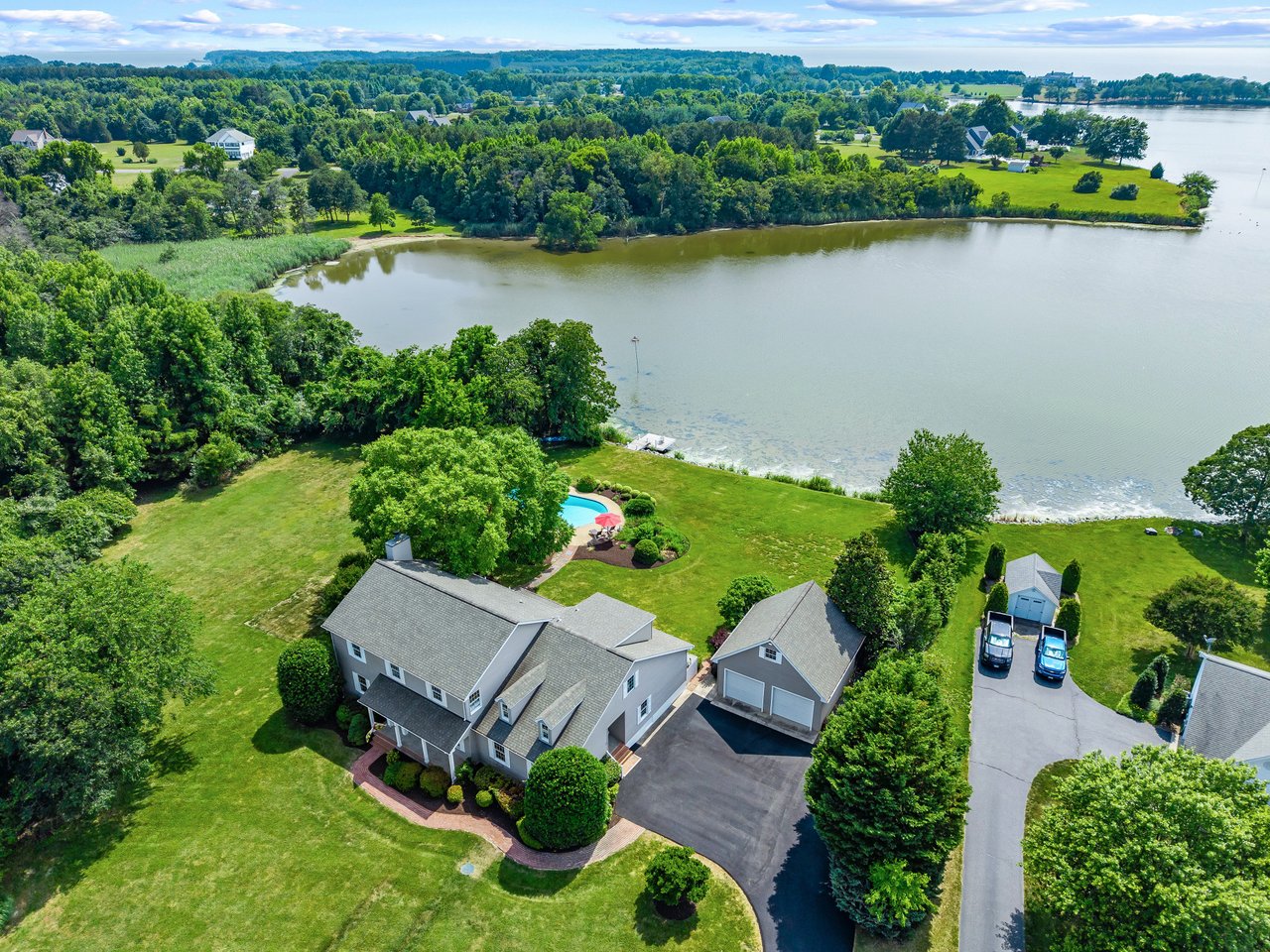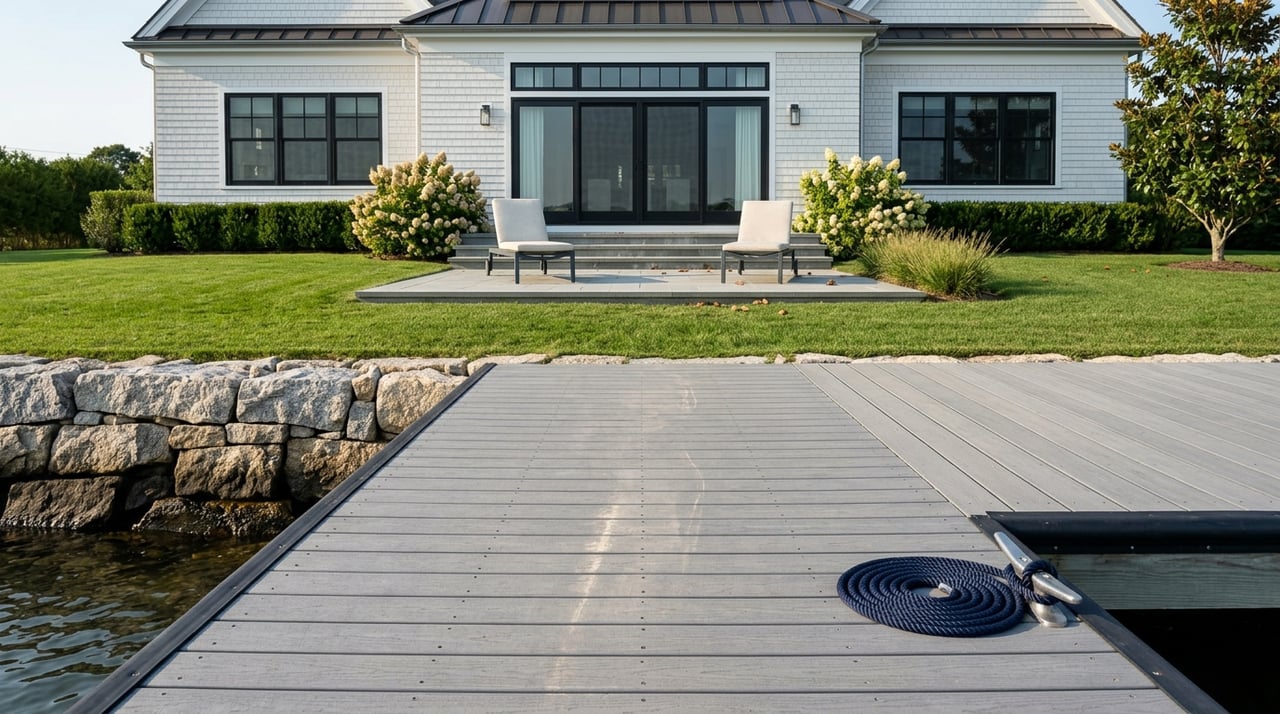
Wondering whether your Severna Park waterfront home should be sold like any other listing? In most cases, the answer is no. When your property includes shoreline, a pier, water access, or flood-zone considerations, small details can have a big impact on value, timing, and buyer confidence. This guide walks you through how to approach pricing, preparation, timing, and disclosures with care so your sale starts from a position of strength. Let’s dive in.
Why Severna Park waterfront sales are different
Severna Park sits within Anne Arundel County’s strong waterfront landscape, an area shaped by the Severn River, the Magothy River, and many creeks and streams. Anne Arundel County notes that it has more than 533 miles of shoreline, which helps explain why waterfront property here is such a distinct category.
That distinction matters when you sell. A broad market snapshot may show that Severna Park remains competitive, with Zillow reporting an average home value of $759,842 and homes going pending in about 5 days as of May 31, 2026. Still, those numbers reflect the overall market, not the narrower and more nuanced waterfront segment.
A waterfront home often attracts buyers for reasons that go far beyond square footage or bedroom count. Shoreline length, water access, pier setup, outdoor living, and even the legal characteristics of the site can all shape how your home is viewed and how it should be priced.
Price with waterfront evidence
One of the biggest mistakes a seller can make is relying too heavily on broad neighborhood averages. Maryland’s Real Estate Commission makes clear that a competitive market analysis is meant to help guide pricing decisions, but it is not the same thing as an appraisal.
For a Severna Park waterfront home, the most useful pricing support usually comes from recent sales with similar waterfront traits. That can include comparable shoreline settings, similar legal characteristics, and similar access to the water. If your property has unusual features, the search for the right comparables may need to reach beyond the most obvious nearby sales.
Fannie Mae’s guidance for comparable sales says physical and legal characteristics should be similar, and it specifically notes that FEMA-designated flood zones should be considered when selecting comparables. That matters because two homes can be close in distance yet very different in value if one has different flood-zone exposure, different shoreline conditions, or different water access.
The Appraisal Institute also notes that appraisers compare a home’s condition, construction, and features to recent similar sales. In waterfront settings, it adds another important layer: details like shoreline amount and water access quality can change value in ways standard suburban comps may miss.
What supports a stronger asking price
If you want your price to hold up, focus on the features buyers and appraisers can clearly understand and verify. For many Severna Park waterfront homes, those value drivers may include:
- Shoreline length and usability
- Quality of water access
- Pier or dock features
- Condition of outdoor spaces
- Overall home condition and whether it feels turnkey
- Flood-zone context and related property characteristics
Zillow’s 2026 research also found sale premiums tied to features such as docks, outdoor kitchens, outdoor fireplaces, and turnkey condition. The same research found that high-resolution photography, virtual tours, and interactive floor plans tended to help listings sell faster and for more money.
Why patience can be part of strategy
Not every premium waterfront home should be judged against the pace of the broader neighborhood. The Appraisal Institute notes that a highly desirable waterfront property may reasonably need longer exposure time than nearby non-waterfront homes.
That does not mean overpricing is wise. It means strategic pricing should balance buyer demand with the reality that exceptional homes often require a more specialized buyer pool, especially when the property includes complex site features.
Prepare before you list
Good waterfront preparation is not just about appearance. It is also about reducing surprises. Before you make cosmetic changes or plan larger projects, it helps to understand which site features may involve permits, approvals, or documentation.
Anne Arundel County says the Critical Area includes land within 1,000 feet of tidal water or tidal wetlands, and the shoreline buffer is the 100-foot strip closest to the water. In those areas, disturbance, clearing, grading, or vegetation removal can require approval, buffer management, and replacement planting.
That means a well-intended cleanup project near the shoreline is not always as simple as it seems. If you are preparing to sell, it is often smarter to verify what already exists and gather records before starting new work.
Check pier and shoreline records first
Anne Arundel County’s residential pier checklist states that private piers and mooring pilings are regulated by county code, and pier location is determined by Planning and Zoning. The county also notes that bulkheads and other shoreline protection measures require separate permits.
The county’s waterfront guidance adds that the Maryland Department of the Environment handles bulkhead and shoreline permitting, and that county grading or building permits may also be needed. MDE states that work below the average high tide line in tidal wetlands or tidewater requires a permit.
For you as a seller, the practical takeaway is simple: verify permit and documentation status before making pier, bulkhead, or shoreline changes. That step can help you avoid delays, buyer questions, and unnecessary pre-listing costs.
Focus on visible lifestyle value
Not every pre-listing dollar should go into a major project. In many cases, the smarter move is to highlight the waterfront lifestyle your property already offers.
Features like a dock, an outdoor kitchen, an outdoor shower, a fireplace, or a polished entertaining area can help buyers connect emotionally to the home. Zillow’s 2026 research suggests these kinds of amenities can support stronger sale outcomes, especially when the home also presents as move-in ready.
A careful pre-listing plan may include:
- Organizing permit and improvement records
- Reviewing the condition of the pier, decking, and shoreline elements
- Refreshing landscaping where allowed and appropriate
- Staging outdoor entertaining areas
- Addressing deferred maintenance that affects buyer confidence
- Preparing the home to feel turnkey where possible
Don’t overlook septic status
Anne Arundel County notes that some waterfront homes use septic systems while others are connected to public sewer. Because that can affect buyer questions and due diligence, your septic or sewer status should be part of your pre-listing review.
Having clear information ready can make your listing feel more complete and reduce friction once buyers start asking detailed questions.
Choose timing with intention
Timing matters in most markets, but it can matter even more for waterfront property. Buyers often respond best when they can fully experience the setting, the views, and the outdoor living spaces.
Seasonal housing activity generally rises in spring and summer. Research cited by NAR shows pending sales typically increase in March and peak in June, while November through January tends to be slower.
Zillow’s 2026 analysis also found that homes listed in the last two weeks of May sold for 1.7% more nationwide, with larger premiums in higher-priced markets. While that is not a Severna Park-specific waterfront figure, it supports the idea that late spring can be a strong launch window.
Best launch window for many waterfront sellers
For many Severna Park waterfront homes, late spring and early summer offer practical advantages:
- Docks and shoreline features show well
- Landscaping is fuller and more attractive
- Outdoor living spaces are easier for buyers to picture using
- Seasonal buyer activity is often stronger
That said, fall is not automatically off the table. A fall listing may face softer seasonal demand, but it can also mean less competition. The right choice depends on your goals, your preparation timeline, and how ready the property is to hit the market.
Handle disclosures carefully
Waterfront sellers should think about disclosures early, not at the last minute. Maryland consumer guidance says sellers can choose whether to disclose or disclaim condition information, but they should pay attention to hazards, latent defects, and material facts.
Maryland’s Real Estate Commission also says agents must disclose material facts they know or should know, and brokerage relationships and agreements should be in writing. For waterfront property, this makes preparation especially important because buyers often ask more detailed questions about site conditions and property features.
Maryland’s residential property disclosure form already asks whether a property is in a flood zone, conservation area, wetland area, Chesapeake Bay Critical Area, or historic district. That means many of the issues that matter most to waterfront buyers are already built into the disclosure process.
Maryland also enacted a flood-risk disclosure law in 2026 that takes effect July 1, 2027. Once effective, it will require a completed flood-risk disclosure form before contract for most 1-to-4-unit residential sales.
Build the right support team
Selling a waterfront home with strategic care usually means bringing in the right experts early. Because valuation and preparation can be more complex, having the right guidance can protect both your price and your timeline.
The most useful support team often includes:
- An experienced waterfront listing agent
- An independent appraiser when the property has unusual features
- A licensed home inspector
- An attorney or accountant when legal or tax questions arise
The Appraisal Institute notes that homeowners can hire an independent appraiser when selling. In a market like Severna Park, that can be especially helpful if your property has uncommon shoreline characteristics, a specialized pier setup, or limited recent comparable sales.
For sellers who want a polished launch, marketing also matters. The Brad Kappel Team brings a waterfront-focused perspective, in-house creative production, staging guidance, tailored marketing, and white-glove support shaped by deep experience across Annapolis and Anne Arundel County.
Strategic care leads to better outcomes
Selling a Severna Park waterfront home is not just about listing at the right time and hoping the market responds. It is about understanding how waterfront value is created, what buyers notice first, and which details can either strengthen or complicate the sale.
When you price from waterfront-specific evidence, verify key property records, prepare the home with intention, and launch with strong presentation, you give yourself a clearer path to a confident sale. If you are planning your next move and want guidance tailored to your property, connect with the Brad Kappel Team for a thoughtful, waterfront-focused strategy.
FAQs
How is a Severna Park waterfront home priced differently?
- A Severna Park waterfront home should be evaluated using comparable sales with similar waterfront features, legal characteristics, and flood-zone context, not just broad neighborhood averages.
Should you update a pier or bulkhead before selling a Severna Park home?
- Usually, you should first verify permit status, approvals, and whether the project is likely to add enough value to justify the cost and delay.
What waterfront features can help a Severna Park home stand out?
- Features such as a dock, outdoor kitchen, outdoor fireplace, outdoor shower, and overall turnkey condition may support stronger buyer interest and sale performance.
When is the best time to list a Severna Park waterfront home?
- Late spring and early summer are often strong because buyer activity tends to rise and waterfront features like docks, views, and outdoor spaces usually show at their best.
What disclosures matter when selling a Maryland waterfront home?
- Maryland’s forms already ask about flood zones, wetland areas, Chesapeake Bay Critical Area status, conservation areas, and historic district status, so those items should be reviewed carefully before listing.